Commercial Roofers in North Miami
Miami, FL · Service Areas
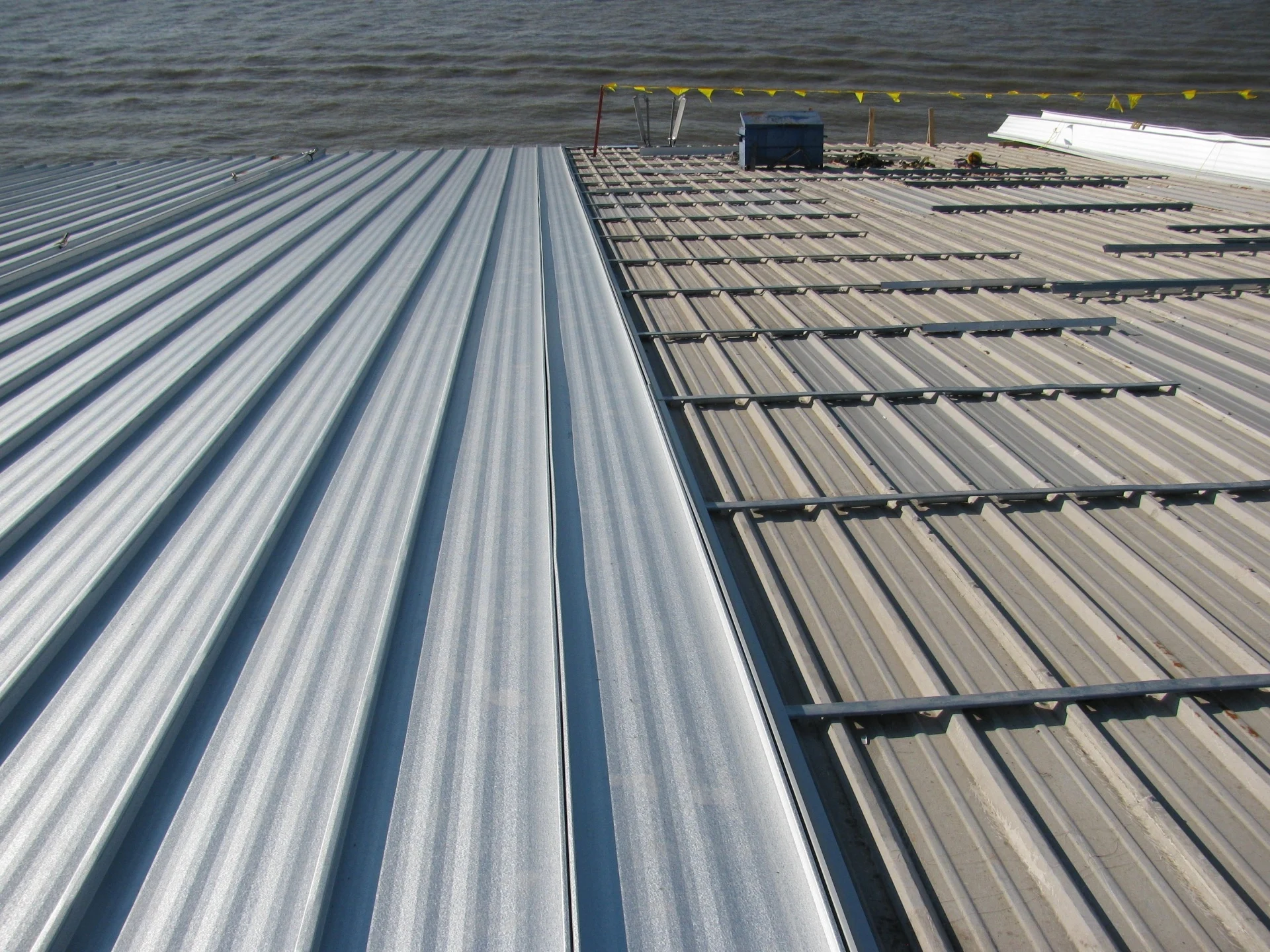
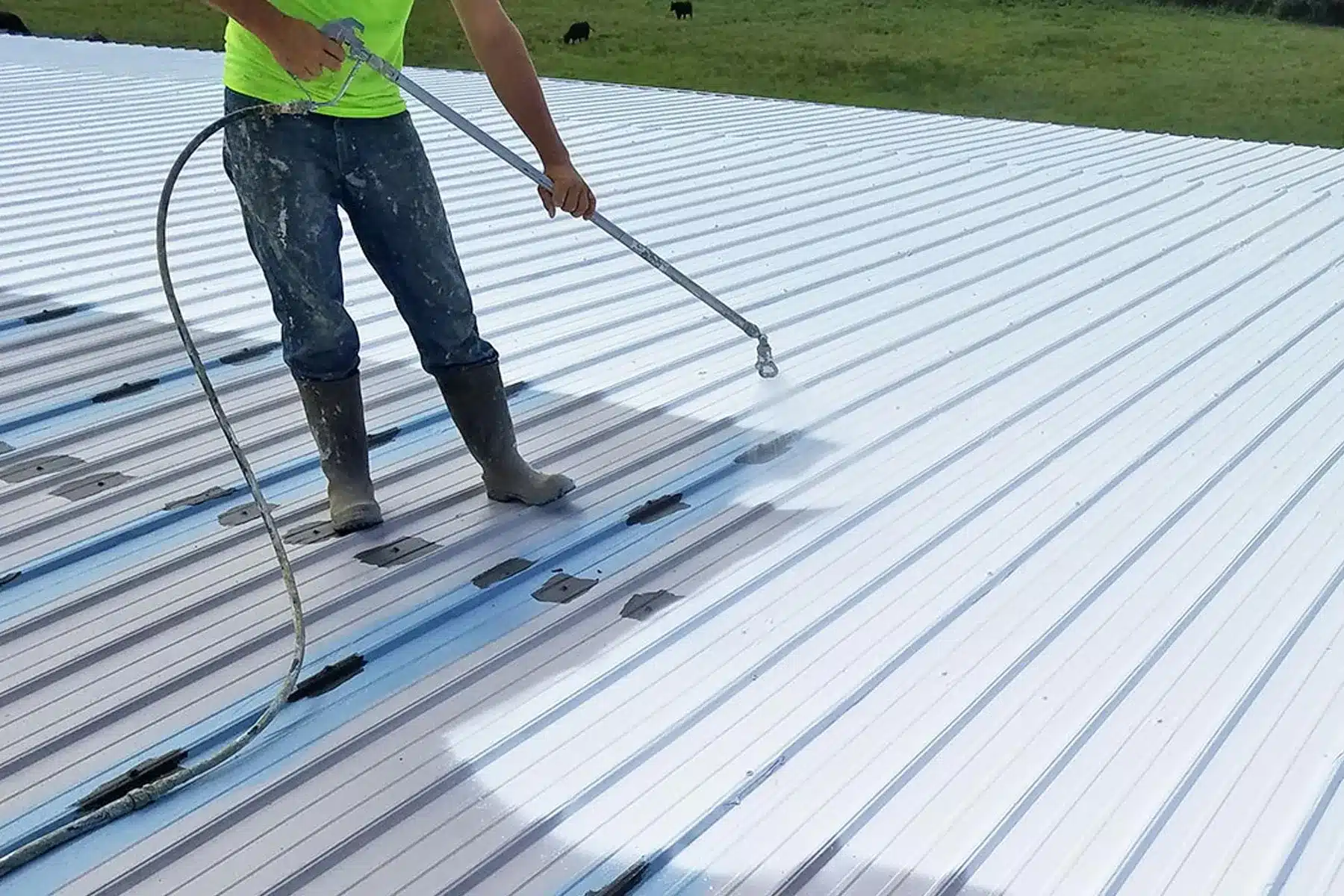
For commercial properties in North Miami, the defensible choice between repair, restoration, and replacement starts with roof-system condition, moisture findings, drainage performance, and remaining service life. North Miami's commercial base runs along NE 6th Ave, Biscayne Boulevard, and the corridors near Florida International University's Biscayne Bay Campus — a mix of 1960s through 1990s retail and light industrial, some newer mixed-use development, and the institutional and office buildings serving the university community.
North Miami is an incorporated city — commercial roofing permits for properties within the city limits require City of North Miami building permits, not Miami-Dade County permits. The City of North Miami Building Department handles plan review and inspections for commercial roofing work within the city, while still enforcing the Miami-Dade NOA and FBC HVHZ requirements that govern all product approvals in the high-velocity hurricane zone. We file with North Miami's building department for every project within city limits.
North Miami's commercial inventory covers a wide age range. The oldest commercial buildings along Biscayne Boulevard and NE 125th Street date from the 1950s and 1960s — concrete block and masonry construction with original or once-recovered flat roofing that has accumulated decades of deferred maintenance. The mid-generation stock from the 1970s through the early 1990s was partially affected by Hurricane Andrew (whose northern rain bands and wind effects reached into North Miami even though the primary damage zone was further south), and many of these buildings had expedient repairs rather than full replacement in the post-storm period. The most recent construction — student housing, mixed-use retail and residential, and FIU-adjacent office buildings — represents the newest segment of the market.
Biscayne Bay and the Intracoastal Waterway run along the eastern edge of North Miami, and properties east of Biscayne Boulevard in the Biscayne Park and Bayside area are in coastal exposure territory. We assess coastal exposure category for every North Miami property in our inspection reports and apply the corresponding ASCE 7 wind-uplift design pressure calculations to any replacement scope.
NE 6th Ave Commercial Corridor
The NE 6th Ave corridor between NE 123rd and NE 163rd Streets carries a dense strip of light commercial and retail buildings — strip centers, auto-related commercial, restaurant pads, and small office buildings built predominantly from the 1960s through the 1990s. This corridor generates consistent maintenance and emergency leak response work — aging membrane systems, chronic drain neglect, and the accumulated effect of deferred repairs on 30 to 50 year old buildings.
Drain condition on NE 6th Ave corridor buildings is the most common deficiency we document. Original drain layouts were designed for roof fields without the HVAC equipment loading that today's tenants require, and equipment placement has often blocked or diverted drainage paths. We map drain locations and ponding evidence as part of every inspection on this corridor and recommend drain additions or relocations where chronic ponding is documented.
The mix of commercial tenants on NE 6th Ave — auto repair, food service, retail — creates varied chemical exposure conditions on adjacent rooftops. Auto body and paint shops with rooftop exhaust penetrations expose the adjacent membrane to solvent vapors and paint overspray. We identify chemical exposure sources during inspection and specify chemically compatible flashing materials at penetrations near these exhaust points.
FIU Biscayne Bay Campus Area
Florida International University's Biscayne Bay Campus on NE 151st Street occupies a waterfront site on Biscayne Bay and carries a mix of academic, administrative, and student services buildings built from the 1970s through the 2000s. The campus facilities team manages roof assets as part of a capital planning program, and replacement projects typically go through FIU's facilities procurement process, which has specific documentation requirements for NOA compliance, insurance certificates, and construction schedule milestones.
The commercial and mixed-use development clustering around the FIU Biscayne Bay Campus — student housing, retail, and service buildings along NE 151st Street and Biscayne Boulevard — is a growing segment of North Miami's newer construction. Student housing buildings with rooftop HVAC plants and occupied rooftop amenity spaces represent the same scheduling and operational coordination challenges as similar buildings in Brickell or Aventura.
Biscayne Bay waterfront proximity means FIU campus buildings and adjacent properties face the coastal exposure conditions we document for all Biscayne Bay frontage — accelerated salt-air corrosion on rooftop metal elements, higher wind-uplift design pressures, and the potential for king-tide flooding at grade that can introduce water through building envelope pathways below the roof level.
Biscayne Boulevard Mixed-Use Strip
Biscayne Boulevard through North Miami carries a mixed-use commercial strip that is in active transition — older auto-oriented retail and strip commercial from the mid-20th century coexisting with newer mixed-use development as the corridor has attracted reinvestment from the Arts District spillover north of the Venetian Causeway. The older commercial buildings on this strip often have multiple layers of repair history and nominal documentation.
The Museum of Contemporary Art (MOCA) North Miami campus on NE 125th Street represents the cultural institutional segment of North Miami's commercial inventory. Museum buildings have specific interior climate control requirements — humidity and temperature stability — that make roof integrity a high-stakes facility management concern. We prioritize emergency response to institutional buildings with climate-sensitive collections and document repair work with the specificity that institutional insurance carriers require.
North Miami's building department plan review for commercial roofing runs 3 to 5 weeks from complete submission. We submit complete applications with full NOA documentation and HVHZ wind-uplift calculations at first submission and schedule inspections proactively through the city's inspection management system to keep the timeline predictable.
Frequently asked questions
Does North Miami use its own building permits or Miami-Dade County permits?
City of North Miami permits. North Miami is an incorporated city with its own building department. Miami-Dade County permits do not cover North Miami. We file all projects within North Miami city limits with the City of North Miami Building Department and manage the full permit, inspection, and closeout process through the city's system.
What is the response time for emergency leak calls in North Miami?
From our Brickell office, North Miami is approximately and Biscayne Boulevard corridors is typically within 3 business hours. After-hours response is available for buildings on our maintenance contracts.
Can you work on buildings near the FIU Biscayne Bay Campus?
Yes. We have experience with the documentation requirements that university facilities procurement processes require — insurance certificates with specific language, NOA compliance documentation, and construction schedule milestone reporting. FIU's Biscayne Bay Campus is in a coastal exposure zone, and we account for the bay-adjacent wind-uplift conditions in every replacement specification for campus and campus-adjacent buildings.
Our North Miami building has layers of old repairs and partial recovers — how do you assess the condition?
We use moisture core sampling distributed across the roof field to assess insulation saturation extent, along with surface membrane condition mapping. For multi-layer assemblies, we assess whether the existing layer count is within the limit for a legal recover (Florida Building Code allows a maximum of two roof layers in the HVHZ) and whether the structural system can support the load of an additional recover. If insulation saturation exceeds 25% of the field or the layer count is at the maximum, full tear-off and replacement is the honest scope.
North Miami commercial roof inspection or replacement scope.
Our project managers will walk your North Miami commercial building, assess the membrane condition, drain layout, and coastal exposure factors — and produce a written scope with City of North Miami permitting requirements and NOA documentation included.